Case study
Cam Hazzard Is the Athlete Spotlight Lighthouse
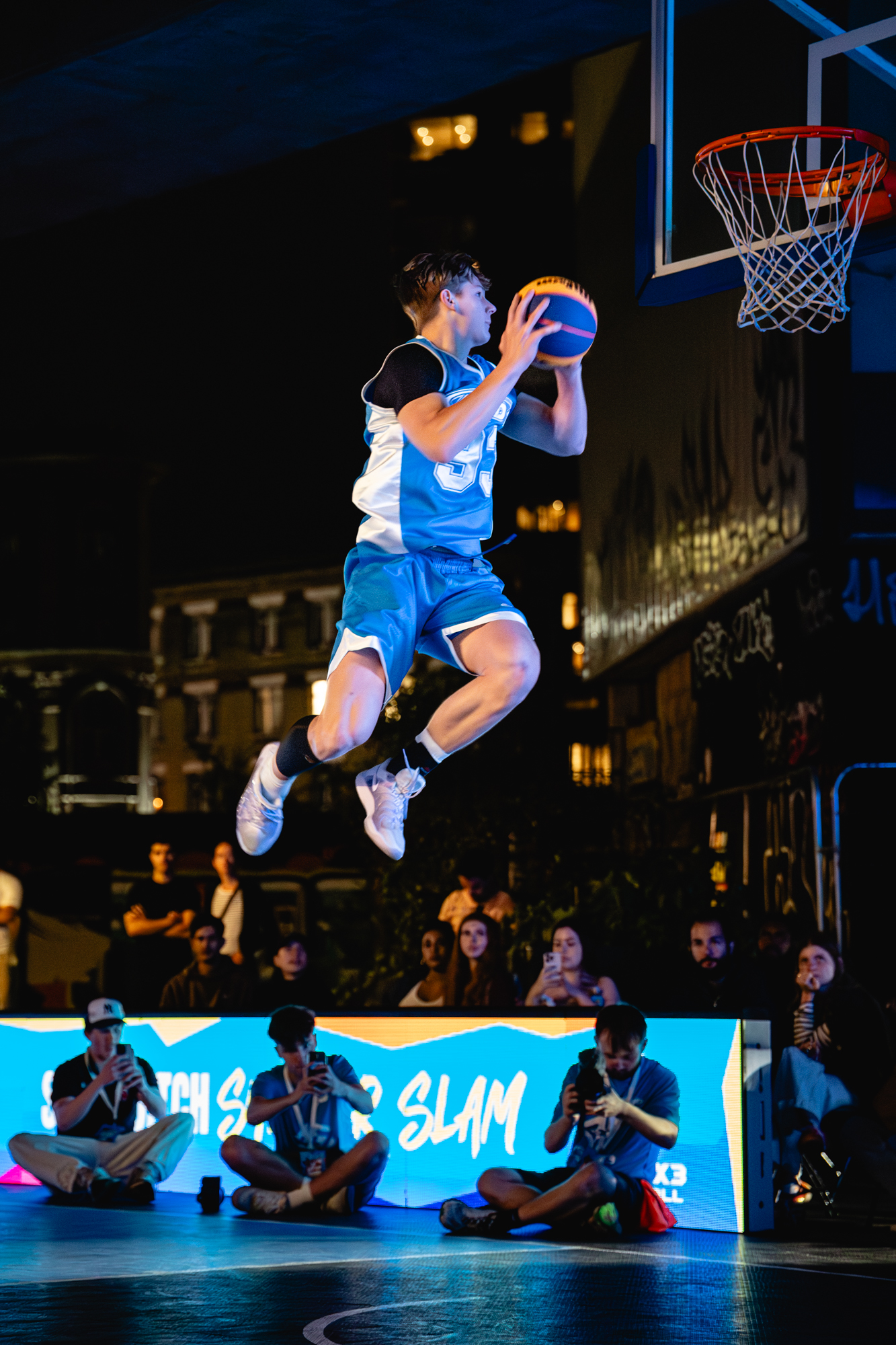
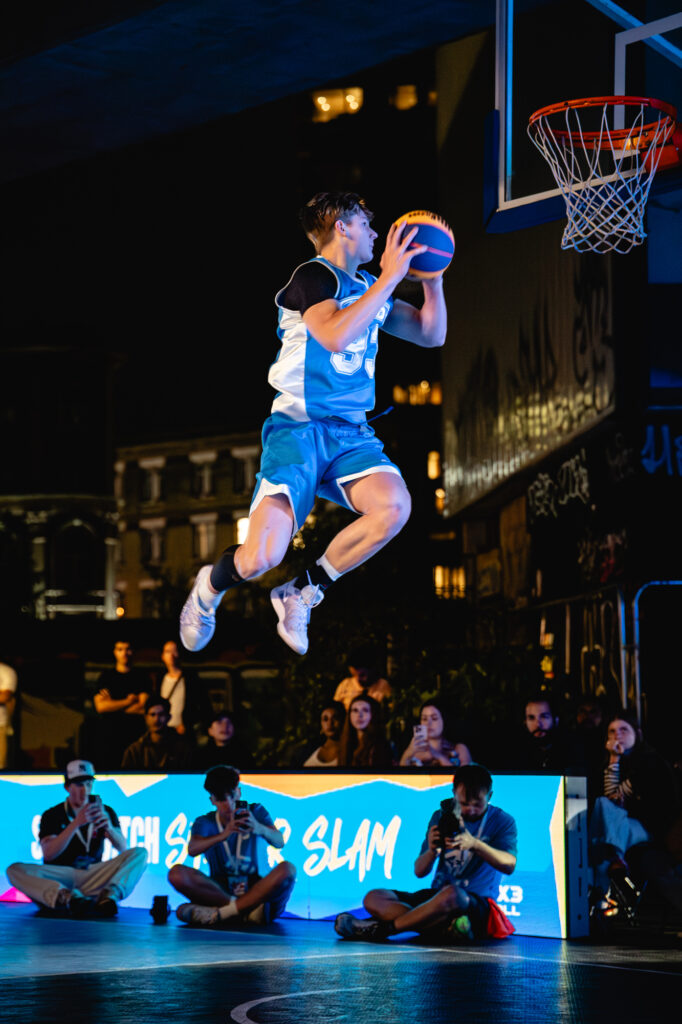
Cam Hazzard shows exactly why Athlete Spotlight exists. He has real athletic proof: pro dunking, a 50-inch verified vertical, a signature 360 under both legs, and selection into Shaq’s DunkMan League. The opportunity is making that proof easy for sponsors, fans, media, and search engines to understand.
His personal brand site at CamHazzard.com already does the first job: it gives Cam one source of truth. Athlete Spotlight takes that same model and packages it for athletes who have the clips but not the organized web presence.
The lesson for athletes
A sponsor should not have to scroll through months of posts to understand who you are. Your site should collect the clips, stats, social proof, story, and links into one structured entity home.
What Athlete Spotlight adds
We collect the athlete’s content, build the site, publish articles from real clips and conversations, connect social profiles, and add schema so Google and AI systems can read the athlete correctly.
The week that proved the point
In one week, Cam’s dunk clips passed 120 million views. That is the kind of week every young athlete is chasing, and it is also the kind of week that usually evaporates. Attention arrives, people go looking for the person behind the clip, and they find a handle with no context, a name shared with four other people, or nothing at all.
Cam’s week went differently, because the site was already there when the traffic showed up. In his own words:
“I had nothing, no personal branding, and all of a sudden I got 120 million views, just in one week, and I’ve gotten so much traffic to my website, which has brought in brand deals and all that stuff. And I’ve had news articles and stuff written about me — which none of that would have been possible without having everything stored in a website.”
Cam Hazzard
Read that last clause again. Not the views. The storage. The clips were always going to travel; the question was whether anything caught the people they sent.
What the site does that the feed cannot
A feed is built to show the next thing. It is very good at that and very bad at everything else. When a sponsor’s marketing manager has to justify a spend to their boss, or a journalist has ten minutes to file, or a camp director is deciding who gets the invite, they all need the same four things, and a feed gives them none of it.
- A permanent address. A profile is rented. Platforms change ranking, get banned, or die. A domain at your own name is the one asset nobody can take back.
- Answers to the follow-up questions. How high does he actually jump? What has he won? Who has he worked with? Is he still competing? A clip cannot answer any of those. A page can.
- A contact path. Sponsors do not slide into DMs to open a negotiation. They want an address they can forward internally.
- Machine-readable identity. Schema, sameAs links and a canonical page are what let Google and AI assistants say something accurate when someone asks who you are. That part is invisible, which is exactly why most athletes skip it.
Why we call him the lighthouse
A lighthouse is a reference point. Every other member site is built to the standard we proved on CamHazzard.com first: the nine-section homepage, the entity schema, the federation profile linking, the weekly report. Cam is the figurehead, but he is not the product.
That distinction matters, because the obvious objection to a case study like this one is that Cam is exceptional. He is. A 50-inch verified vertical, a signature 360 under both legs, selection into Shaq’s DunkMan League, and a 4.0 in accounting is not a typical profile. If the system only worked for athletes with 120 million views, it would not be worth $30 a month to anyone else.
What this looks like if you are not Cam
The same build runs for athletes at every stage, including athletes whose big week has not happened yet.
- Before the moment. Oliver Gilliam is a class of 2028 recruit. No viral week, no sponsor deals. His site exists so that when a college coach searches his name, there is a real answer instead of a MaxPreps row.
- Mid-climb. Finn Addy won Dunk Camp and competed at FIBA 3×3 in Edmonton. Almost none of that surfaced when you searched “Finn Addy,” and his domain was sitting empty. The proof existed; the storage did not.
- Outside basketball. Trenton Sandler runs a 4:01 mile. Julian David finished eighth at the Paris 2024 Olympics in speed climbing. Carson Teagarden has more than 724,000 YouTube subscribers doing calisthenics. Different sports, identical problem.
None of them needed a viral week first. What they needed was one page that owns their name, kept current, structured so machines can read it. Cam proved the ceiling. The rest of the roster proves the floor.